Special nutrition industry
The special nutrition industry includes sports nutrition, infant nutrition, nutrition for older people, dietary nutrition and the medical industry. Within this market, dairy ingredients are primarily used for the specific, highly technical functions of whey protein concentrates, whey protein isolates, milk protein concentrates and lactose.
The main functional and nutritional requirements in these industries are:
1.Solubility Dispersibility
-
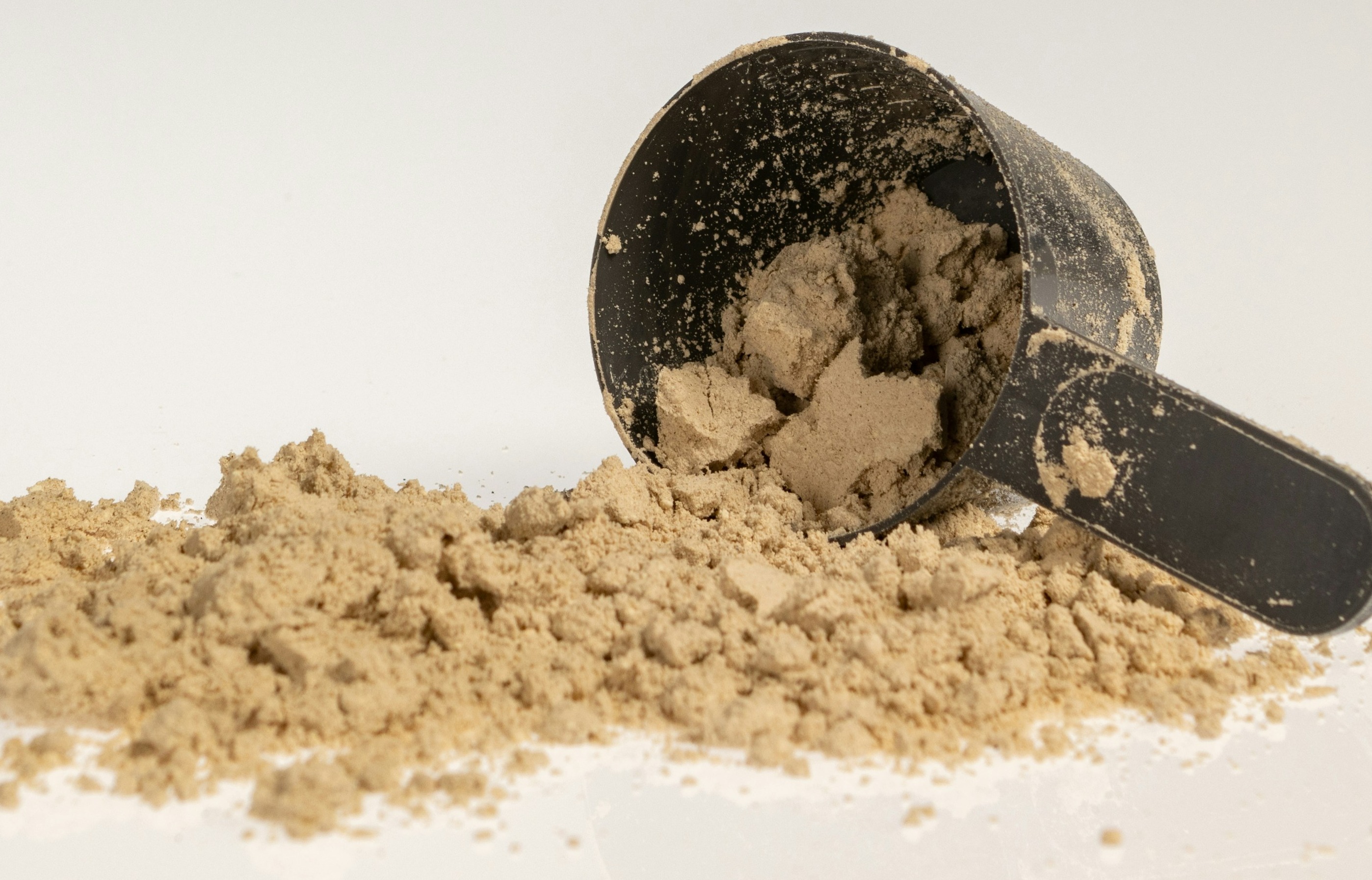
Complete solubility in cold water: Consumers usually mix protein powders (whey protein isolate or concentrate) by hand in a shaker with cold water or cold milk. The dairy powder must dissolve completely within seconds, without lumps or intensive mechanical equipment such as a blender.
-
Low viscosity at high concentrations: For ready-to-drink protein beverages (RTDs), the industry requires proteins that remain thin and fluid even at very high protein levels, such as 30 to 40 grams per bottle. Ordinary milk protein would turn into a thick paste or gel at that concentration.
2.Heat and acid stability for drinks and bars
-
UHT and pasteurisation resistance: Ready-to-drink beverages undergo heat treatment to extend shelf life. Whey proteins are naturally heat-sensitive and may clump or gel. The industry therefore requires specifically heat-stable whey proteins that remain fluid and clear during sterilisation.
Acid resistance for Clear Whey: A major trend in special nutrition is Clear Whey: refreshing, translucent protein drinks with fruit or lemonade flavours. Ordinary dairy proteins flocculate in an acidic environment. This requires specially purified whey protein isolates that remain stable and fully transparent at a low pH of around 3 to 4.
3.Control of texture and hardness
-
Preventing bar hardening: Protein bars tend to become extremely hard after a few months on the shelf. This happens because proteins gradually draw the remaining moisture from the bar towards themselves (moisture migration). The special nutrition industry requires especially functional, partially hydrolysed milk proteins that retain their flexibility, keeping the bar soft and chewy throughout its shelf life.
4.Purity and macronutrient profile Isolates versus concentrates
-
Extremely high protein content: For premium products, including isolates and hydrolysates, the industry requires powders containing at least 90% protein on a dry matter basis.
-
Minimal fat and lactose content: Athletes want pure protein without unnecessary calories from fat or carbohydrates. Many athletes are also partly or fully lactose intolerant. Dairy ingredients must therefore have almost all fat and lactose removed using advanced filtration techniques such as cross-flow microfiltration.
5.Flavour neutrality and masking
-
Free from bitter notes: Hydrolysed proteins, already partly broken down into short peptides for faster absorption, naturally taste very bitter. The industry requires hydrolysates with a controlled degree of hydrolysis to minimise bitterness, or powders whose flavour can easily be masked with sweeteners and flavourings.
-
No dairy-like or sulphurous off-flavours: The powder must provide a neutral base so flavours such as vanilla, chocolate or fruit can come through fully, without a rancid or metallic aftertaste.
6.Absorption rate Nutritional functionality
Although this is a biological function, the dairy product’s physical structure is adapted accordingly:
-
Fast absorption (whey protein): Must digest quickly and produce a peak in blood amino acid levels within an hour for immediate muscle recovery after training.
-
Slow absorption (micellar casein): Must form a gel, similar to a curd, in the stomach. This releases amino acids very slowly and evenly, for up to 7 hours, making it ideal for consumption before bedtime.
Quality is a top priority at Fresena.
As a certified trading company (IFS, GMP+, VLOG and BIO), Fresena safeguards the quality of products throughout the supply chain. Strict selection of suppliers, carriers and other service providers ensures you receive the most suitable product from approved manufacturing sites.
Product overview
For the products listed below, we cater to both the demands of buyers and the offerings of producers—serving sectors including the food industry, the bakery, chocolate, and ice cream industries, the calf milk industry, and the special nutrition industry.
Liquid dairy
Do you have any questions? We are happy to help.
Fresena, your call for dairy
Contact us