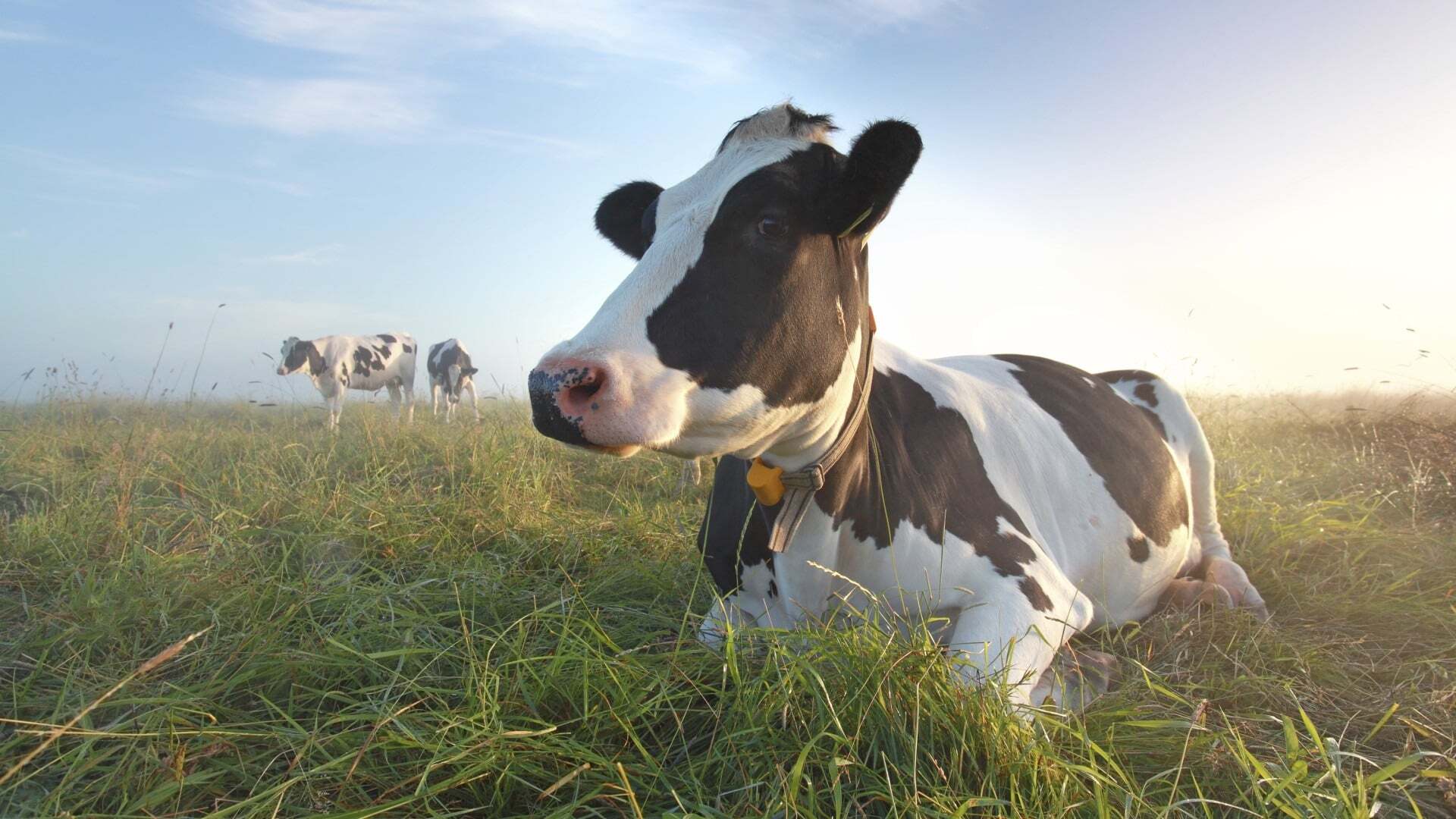
Calf milk replacer industry
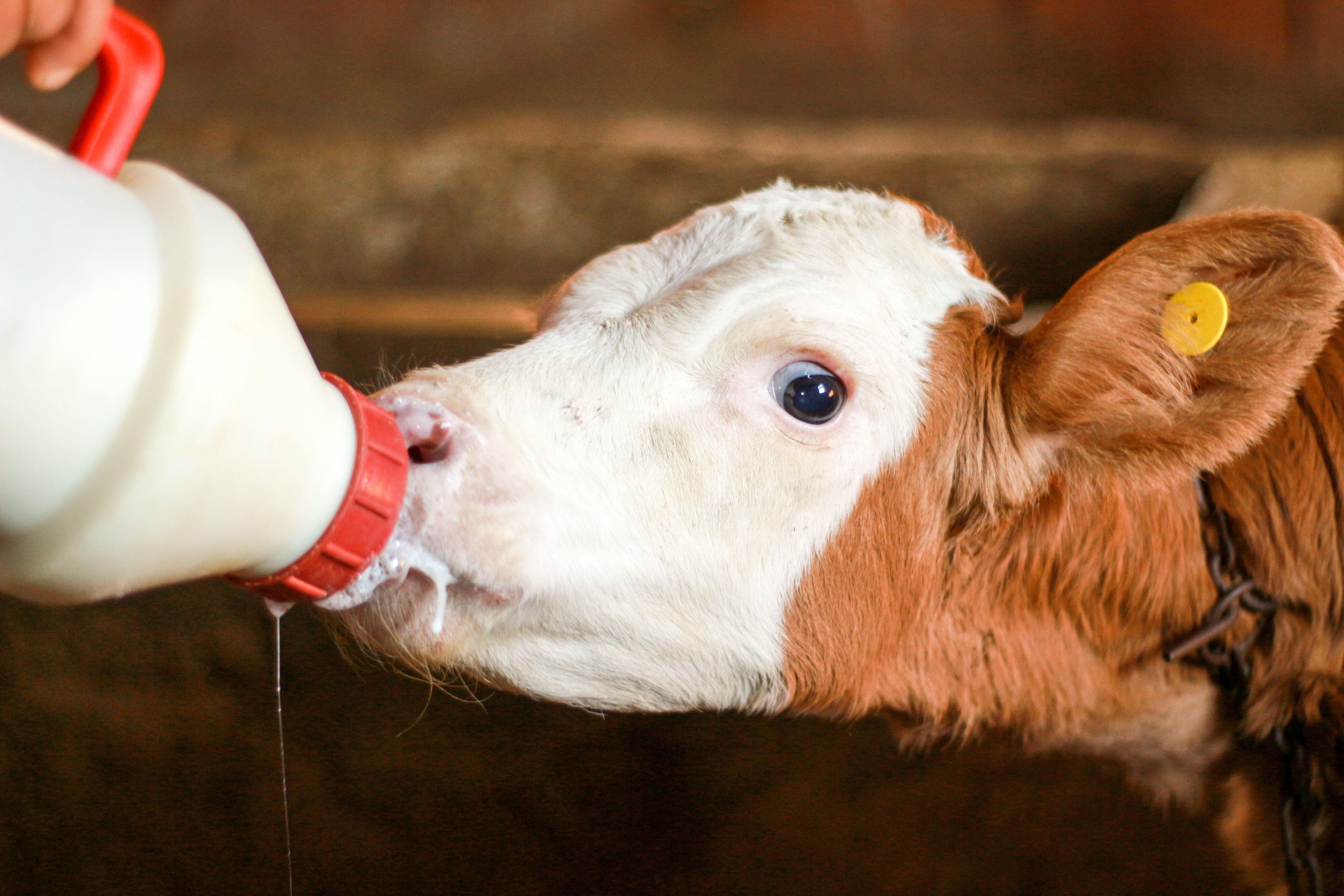
The calf milk replacer industry is one of the largest buyers of specific dairy ingredients, including skimmed milk powder, whey powder, whey protein concentrate and lactose. Because young calves have sensitive digestive systems, this sector applies extremely strict quality and specification requirements to dairy ingredients.
The main requirements fall into the following categories:
1.Nutritional and chemical composition
-
Protein quality: The proportion of intact milk protein, particularly casein and whey proteins, is closely monitored. Protein must not be overheated or excessively denatured during drying at the dairy plant, as this makes it difficult for calves to digest.
-
Lactose and mineral content: Lactose and mineral levels (ash content) must fall precisely within the specified limits. Excessive concentrations increase milk osmolality, drawing water from the calf’s intestines and causing diarrhoea.
-
Moisture content: The powders supplied must have very low moisture levels, often no more than 4% to 5%, to ensure shelf life and prevent clumping.
2. Physical and technical
properties
-
Solubility: Milk and whey powders must dissolve immediately and completely in warm water, without fat separation. Residues or flakes block feeding systems and reduce intake by calves.
-
Stability: Dairy products must have consistent quality so the calf milk replacer producer can guarantee a uniform finished product.
3.Food safety and microbiology Strict zero tolerance
Although calf milk replacers are classified as animal feed, they directly affect the human food chain through meat, so strict microbiological requirements apply:
-
Antibiotics and inhibitory substances: The dairy ingredients supplied must be 100% free from antibiotic residues.
-
Pathogens: Very strict tolerance applies to harmful bacteria such as Salmonella and Enterobacteriaceae.
-
Microbial count: The powders’ total bacterial and microbial counts must be low to prevent intestinal inflammation in young animals.
4. Traceability and certification
-
Full supply chain assurance: Ingredients must be fully traceable back to the dairy plant and, in many cases, to the dairy farmer. [1, 2]
-
Quality systems: Dairy suppliers must be certified to strict feed safety standards, such as GMP+ (Good Manufacturing Practices) or comparable international standards.
Quality is a top priority at Fresena.
As a certified trading company (IFS, GMP+, VLOG and BIO), Fresena safeguards the quality of products throughout the supply chain. Strict selection of suppliers, carriers and other service providers ensures you receive the most suitable product from approved manufacturing sites.
Product overview
For the products listed below, we cater to both the demands of buyers and the offerings of producers—serving sectors including the food industry, the bakery, chocolate, and ice cream industries, the calf milk industry, and the special nutrition industry.
Liquid dairy
Do you have any questions? We are happy to help.
Fresena, your call for dairy
Contact us