Bakery industry

The bakery industry uses dairy ingredients such as butter, milk powder, whey powder, condensed milk, cream and whey proteins for their specific technological and functional properties. Alongside their contribution to flavour, these ingredients are essential for optimal dough handling and strongly influence the finished product’s texture, colour and shelf life.

The main functional requirements bakers place on dairy products fall into the following categories:
Bakery industry Fresena

1.Structure and texture formation Protein functionality

  • Water-binding capacity: Milk proteins, particularly casein, can bind large amounts of water. In bread dough, this improves elasticity, increases dough yield and produces a softer crumb, the inside of the bread.

  • Emulsifying capacity: Whey proteins and phospholipids in milk help form a stable mixture of fat and water. This is essential in cakes and batters for an even, fine pore structure and prevents fat from separating out.

  • Foam formation and stability: For products such as sponge cakes, meringues or cream cakes, dairy components such as cream or specific whey proteins must incorporate and retain air during whipping and baking.

2. Melting behaviour and plasticity Fat functionality

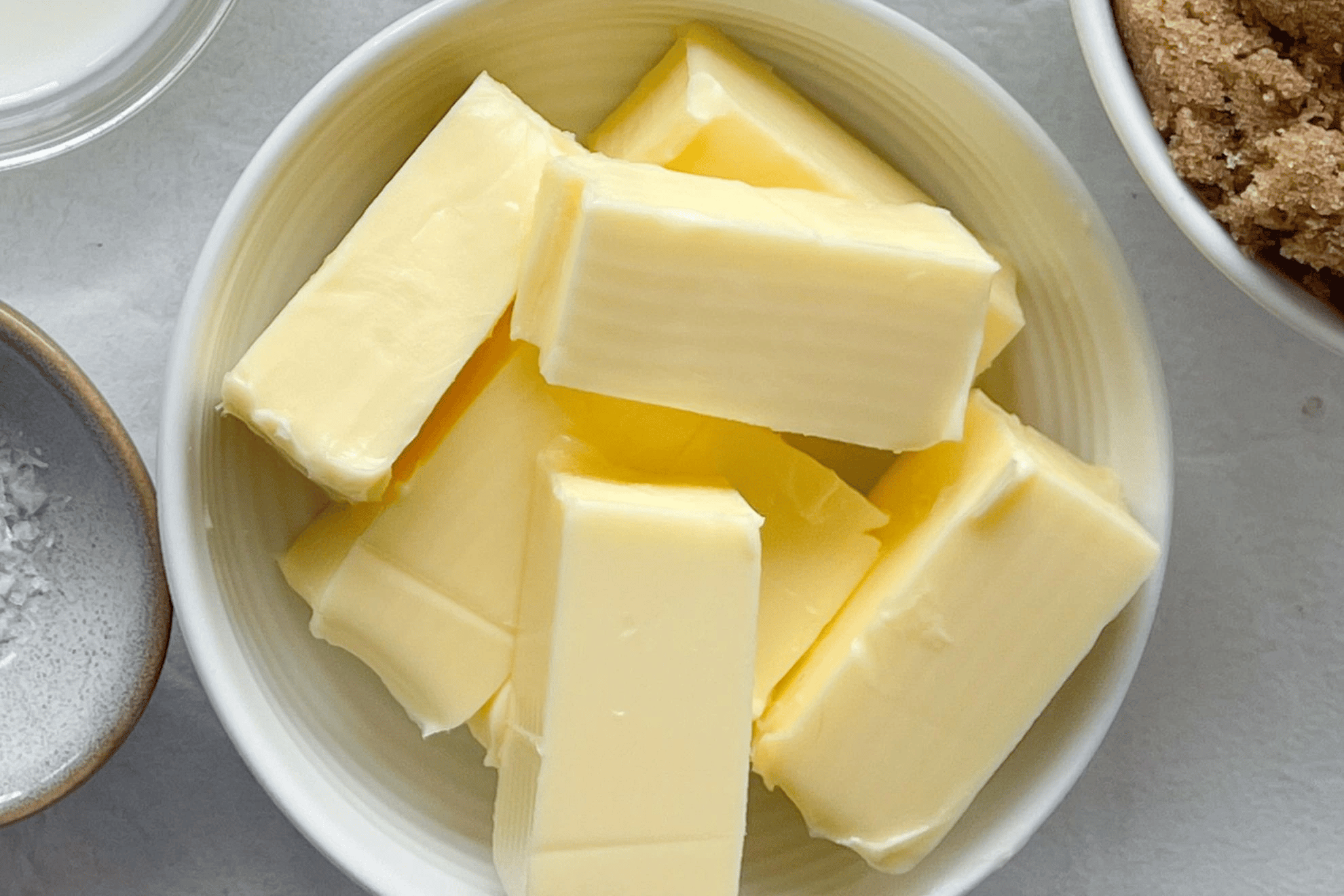
Very specific physical requirements apply when using butter or butterfat (anhydrous milk fat):

  • Melting range and firmness: For laminated doughs such as puff pastry and croissants, butter must have high plasticity and a specific melting point. It must not melt too quickly during rolling and folding, as the fat layers must separate the dough to create the required layered structure and flakiness.

  • Air incorporation (creaming): When making cake batter or cream, the fat must retain small air bubbles during creaming, providing volume and a tender structure.

3. Colour and flavour development Maillard reaction

  • Controlled reducing sugar content (lactose): Lactose, or milk sugar, is non-fermentable, meaning baker’s yeast does not consume it. It therefore remains available during baking. Together with milk proteins, lactose produces an attractive, even golden-brown crust and the characteristic bakery aroma through the Maillard reaction.

  • Flavour carrier: Milk fat melts at body temperature and spreads aromas in the mouth. The industry requires consistent release of the characteristic creamy butter flavour, which must not become rancid during the product’s shelf life.

4.Thermal stability and heat treatment Specific to milk powder

When buying skimmed or whole milk powder, the bakery industry pays close attention to its heat treatment history (heat class):

  • High-heat milk powder: For yeast doughs such as bread, high-heat milk powder is an absolute requirement. Intensive heating during production denatures certain whey proteins, especially beta-lactoglobulin. Without this treatment, as with low-heat powder, the sulfhydryl groups present weaken the gluten network, resulting in weak dough and a low loaf volume.

  • Low-heat milk powder: Required for cold applications such as pastry cream or fillings, because it retains its natural solubility and mild flavour.

5. Physical and logistical properties

  • Consistent viscosity: Liquid dairy products or concentrates must always have the same thickness so they can be pumped smoothly through automated dosing systems.

  • Solubility and dry-blending properties: Milk powders must mix homogeneously and without lumps with other dry ingredients such as flour and sugar.

Quality is a top priority at Fresena.

As a certified trading company (IFS, GMP+, VLOG and BIO), Fresena safeguards the quality of products throughout the supply chain. Strict selection of suppliers, carriers and other service providers ensures you receive the most suitable product from approved manufacturing sites.
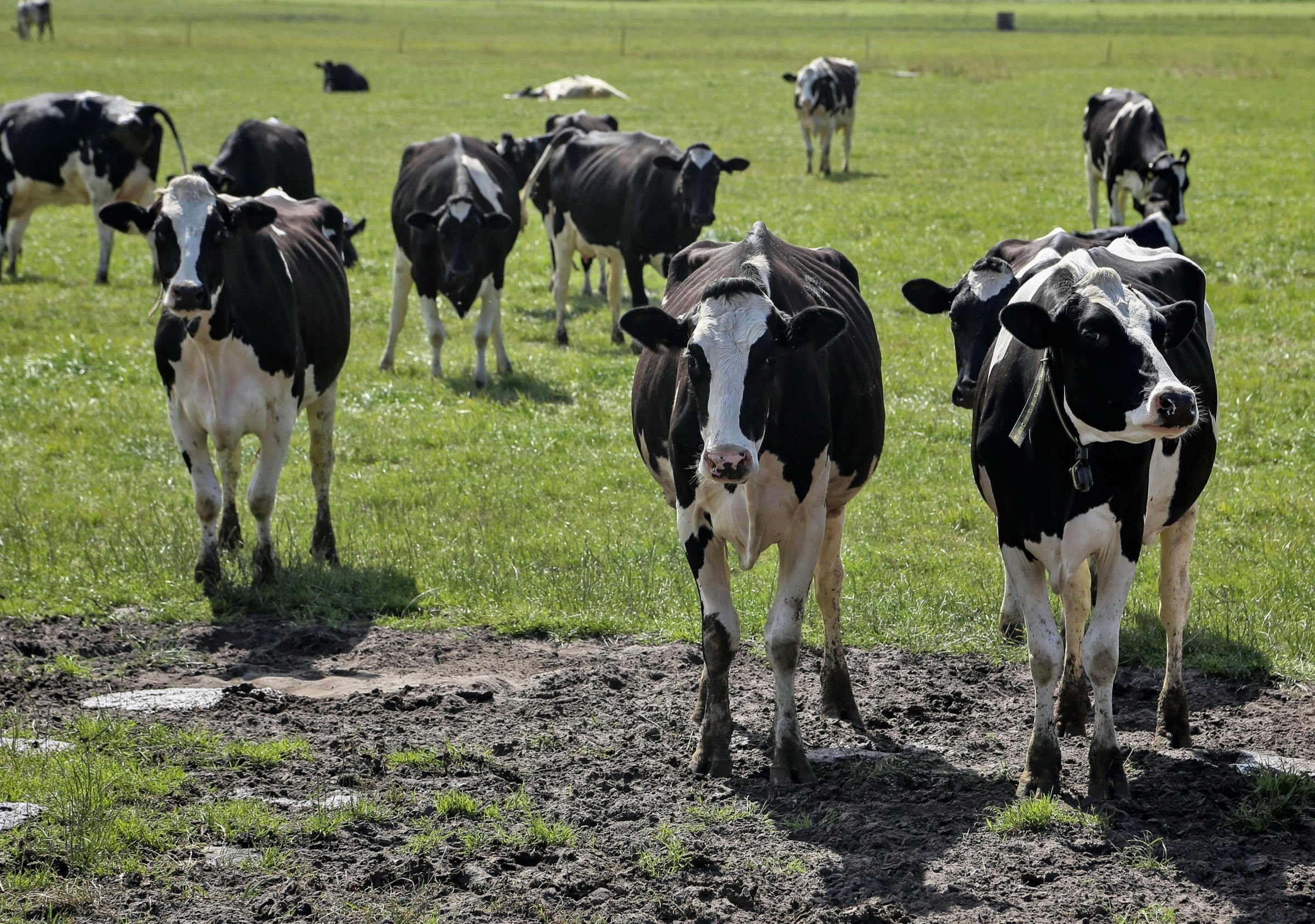
Cows in the field
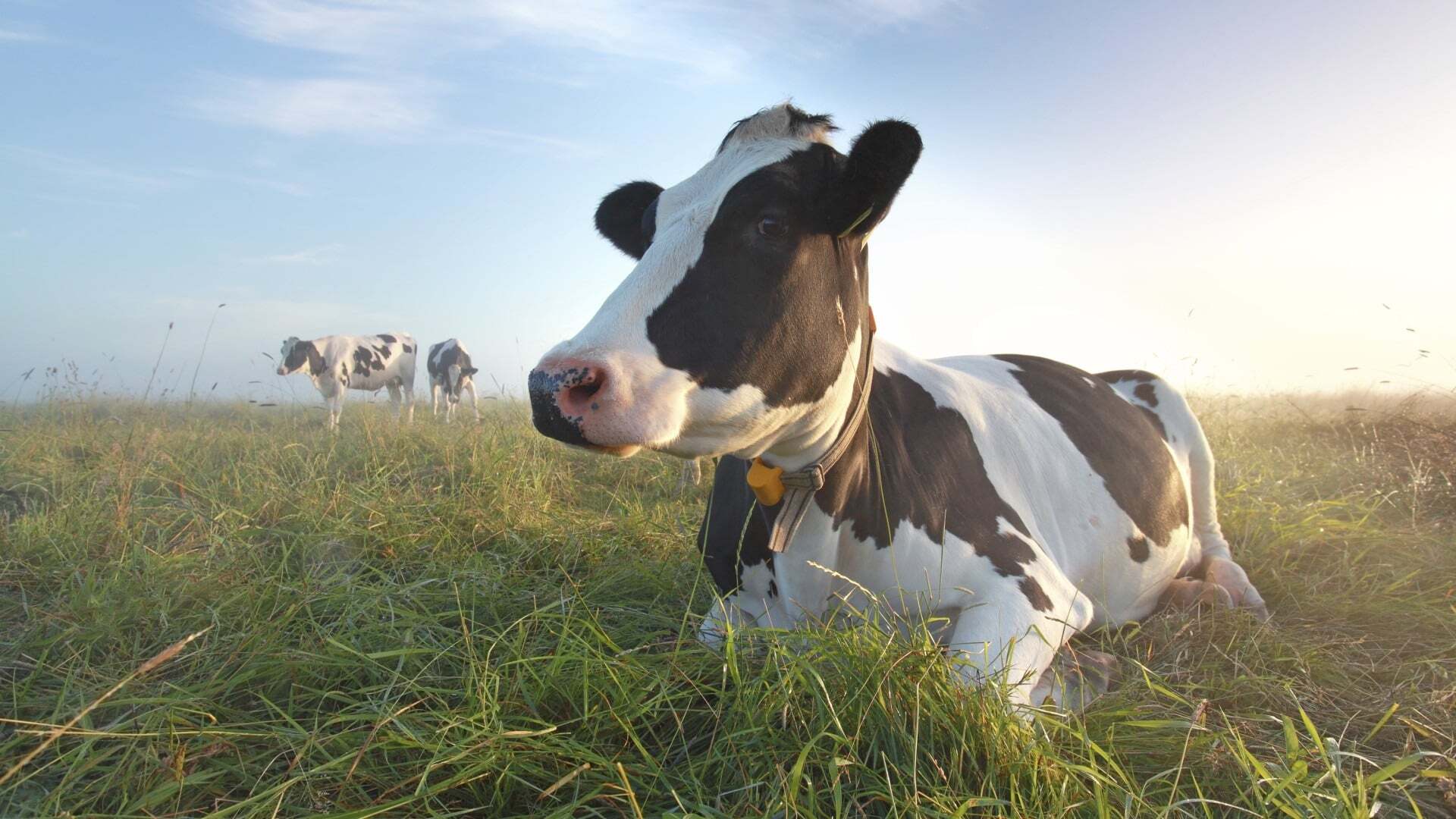
Zwartbonte koe in het gras

Product overview

For the products listed below, we cater to both the demands of buyers and the offerings of producers—serving sectors including the food industry, the bakery, chocolate, and ice cream industries, the calf milk industry, and the special nutrition industry.

View all products

Do you have any questions? We are happy to help.